
Social Media and Mental Health: What the Research Actually Says
The relationship between social media and mental health is more complex than headlines suggest. Here is what the research actually says — and what to do about it.
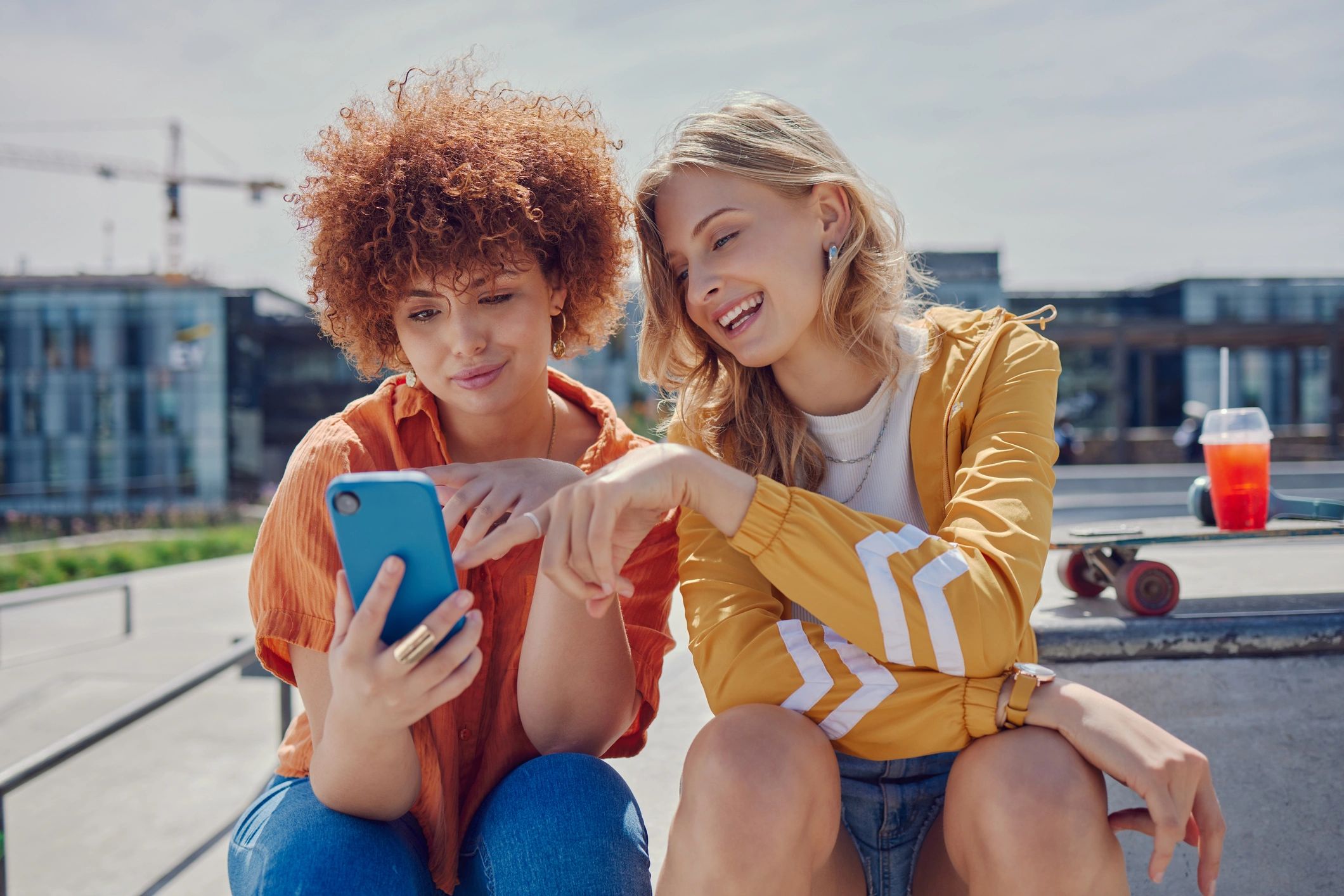
The relationship between social media and mental health has become one of the most discussed topics in public health. Headlines regularly declare that social media is causing a mental health crisis, particularly among young people.
The reality is more complex — and more interesting — than the headlines suggest.
What the Research Actually Shows
The research on social media and mental health is genuinely mixed. Some studies show significant negative effects, particularly for adolescent girls. Others show minimal effects, or even positive effects for some groups.
What the research does show fairly consistently is that the type of social media use matters more than the amount.
Passive consumption is more harmful than active engagement. Scrolling through a feed without interacting — just consuming content — is associated with worse mental health outcomes than actively engaging: posting, commenting, having conversations. Passive consumption tends to trigger social comparison; active engagement tends to build connection.
Social comparison is the key mechanism. The mental health effects of social media are largely mediated by social comparison — comparing your life, your appearance, your achievements to others'. Platforms that are heavily visual (Instagram, TikTok) tend to trigger more social comparison than text-based platforms.
The content matters. Exposure to negative content — outrage, conflict, distressing news — is associated with worse mental health outcomes. Exposure to positive, supportive content is associated with better outcomes.
Connection matters. Social media that facilitates genuine connection — real conversations with people you care about — tends to have positive mental health effects. Social media that substitutes for connection — passive consumption of content from strangers — tends to have negative effects.
Why Most Social Media Is Designed to Be Bad for Mental Health
Given what the research shows, it is worth asking: why are most social media platforms designed in ways that are associated with worse mental health outcomes?
The answer is the same as always: engagement maximisation.
Passive consumption keeps people on the platform longer than active engagement. Social comparison keeps people scrolling. Negative, outrage-inducing content generates more engagement than positive, supportive content.
So the incentive structure of social media platforms points directly toward the types of use that are most harmful to mental health. This is not a coincidence. It is the predictable outcome of optimising for engagement.
What Healthier Social Media Use Looks Like
The research suggests several principles for healthier social media use:
Engage actively rather than consuming passively. Post, comment, have conversations. Do not just scroll.
Limit exposure to social comparison triggers. Be intentional about who you follow and what content you consume. If a particular account consistently makes you feel worse about yourself, unfollow it.
Seek out genuine connection. Use social media to have real conversations with people you care about, not just to consume content from strangers.
Choose platforms that reward quality over engagement. Platforms that surface content based on relevance rather than emotional activation are less likely to expose you to the types of content that are most harmful.
How Opiniyun Approaches This
Opiniyun is a text-based platform — which means it is less likely to trigger the visual social comparison that is most strongly associated with negative mental health outcomes.
It is designed for active engagement rather than passive consumption. The core experience is sharing an opinion and engaging with the responses — not scrolling through a feed of content from strangers.
It does not amplify content based on emotional activation. Opinions surface through categories and search — based on what people are genuinely interested in, not on what generates the most outrage.
And it rewards intellectual honesty — which means the culture tends toward genuine engagement rather than performance.
None of this makes Opiniyun a mental health intervention. But it does mean that the design choices are oriented toward the types of social media use that the research associates with better outcomes.
The Bottom Line
Social media does not have to be bad for mental health. The research suggests that the type of use matters more than the amount — and that platforms designed for genuine engagement rather than passive consumption can have positive effects.
The question is whether the platforms we use are designed for that kind of engagement. Opiniyun is trying to be.
Explore Topics
Written by
Opiniyun Team
Content creator and writer sharing insights and stories.